The wallet layer for moving money
Non-custodial wallets, stablecoin payments, and programmable permissions in one API.


Trusted by
100s of Teams
and 15M+ Users










The Complete Wallet-As-A-Service Platform

Embedded Non-Custodial Wallets
Create embedded wallets for first-time users with social logins or offer blockchain wallets to existing users.
Explore Authentication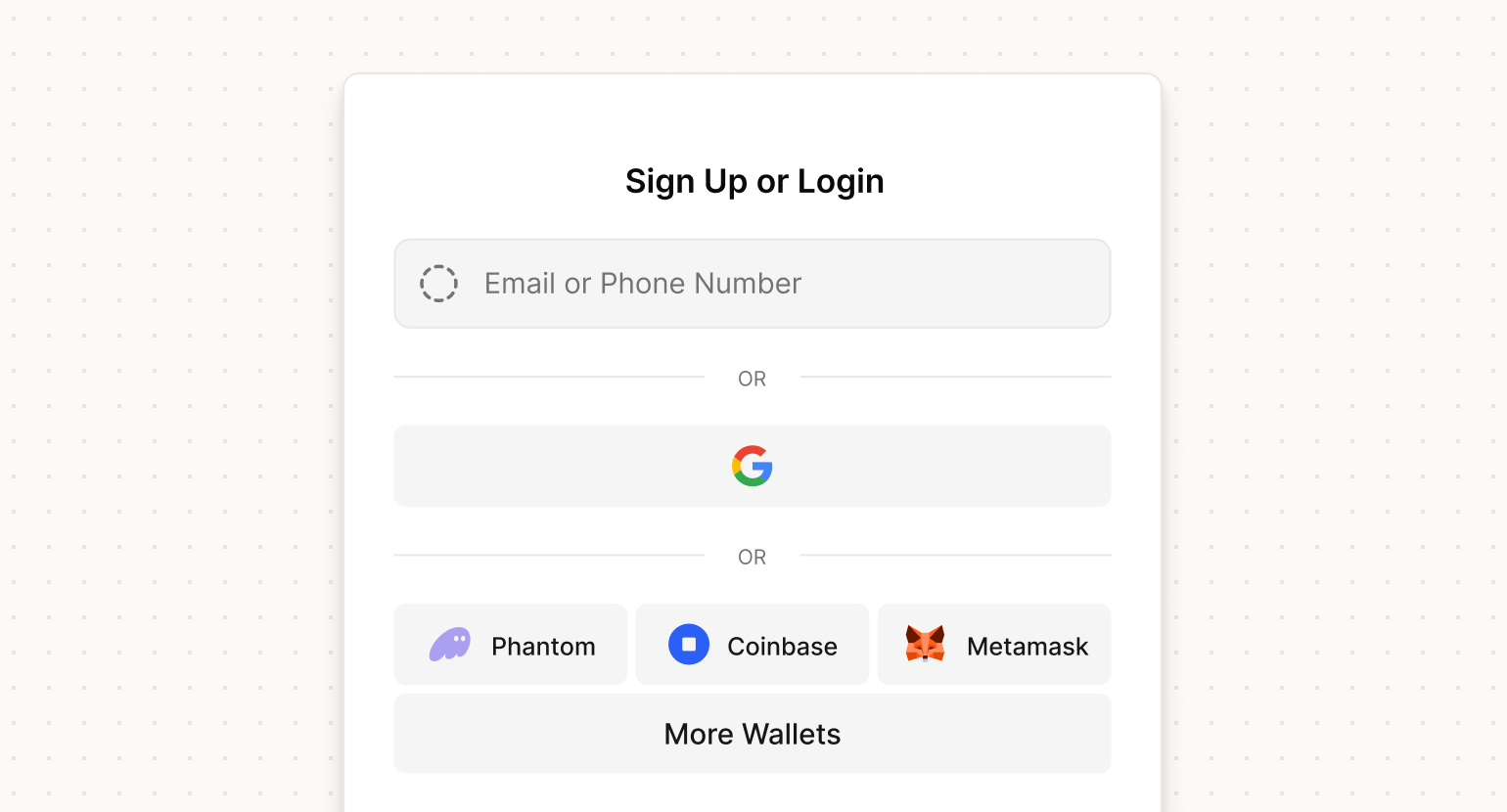

Seamless Money Movement
On and off-ramp, send, bridge, and swap via APIs that abstract liquidity and compliance.
Explore Money Movement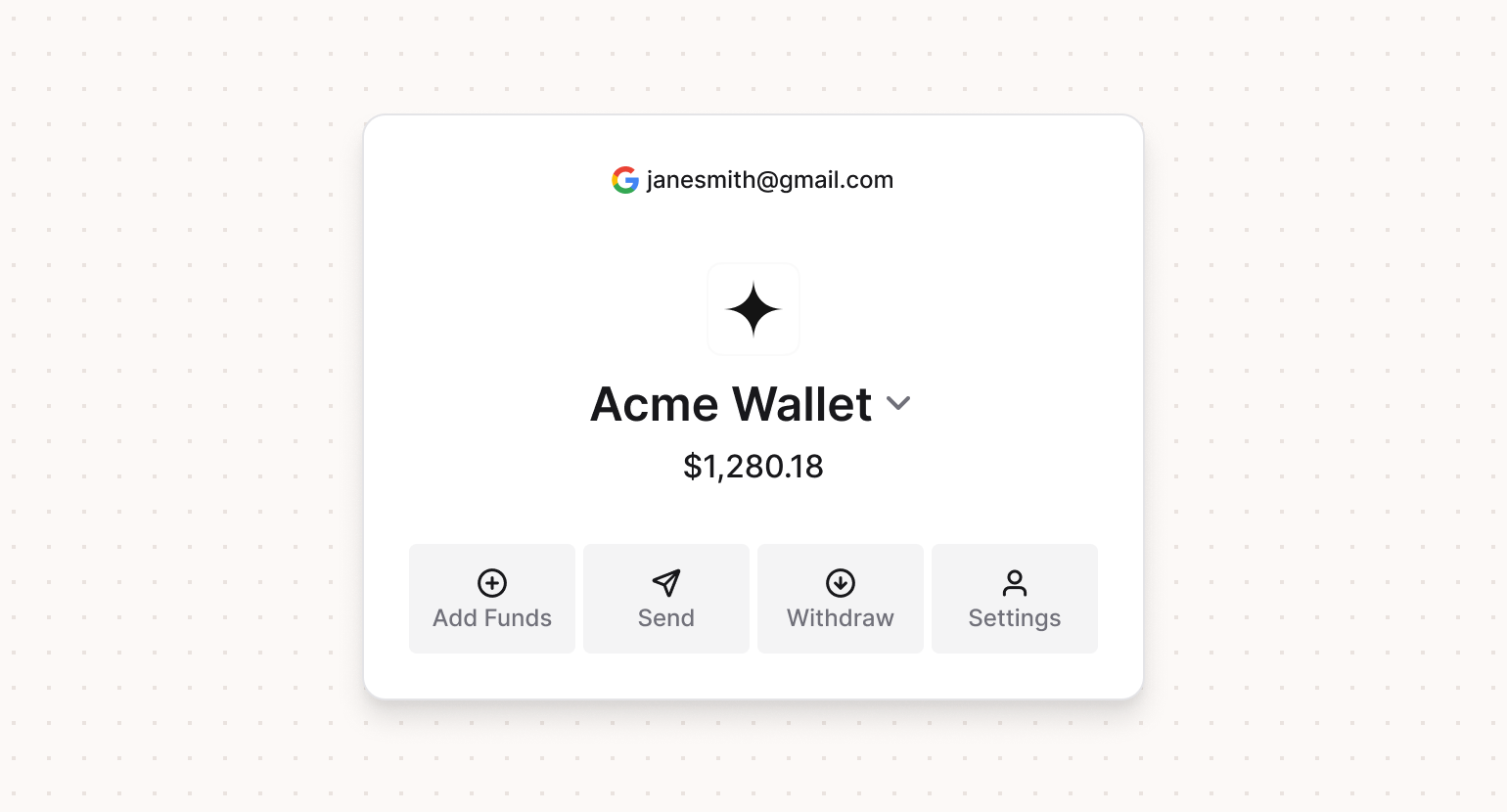

Policy Engine and Access Controls
Enforce compliance or set rules with transaction permissions. Whitelabel and customize policy controls for your organization.
Explore Permissions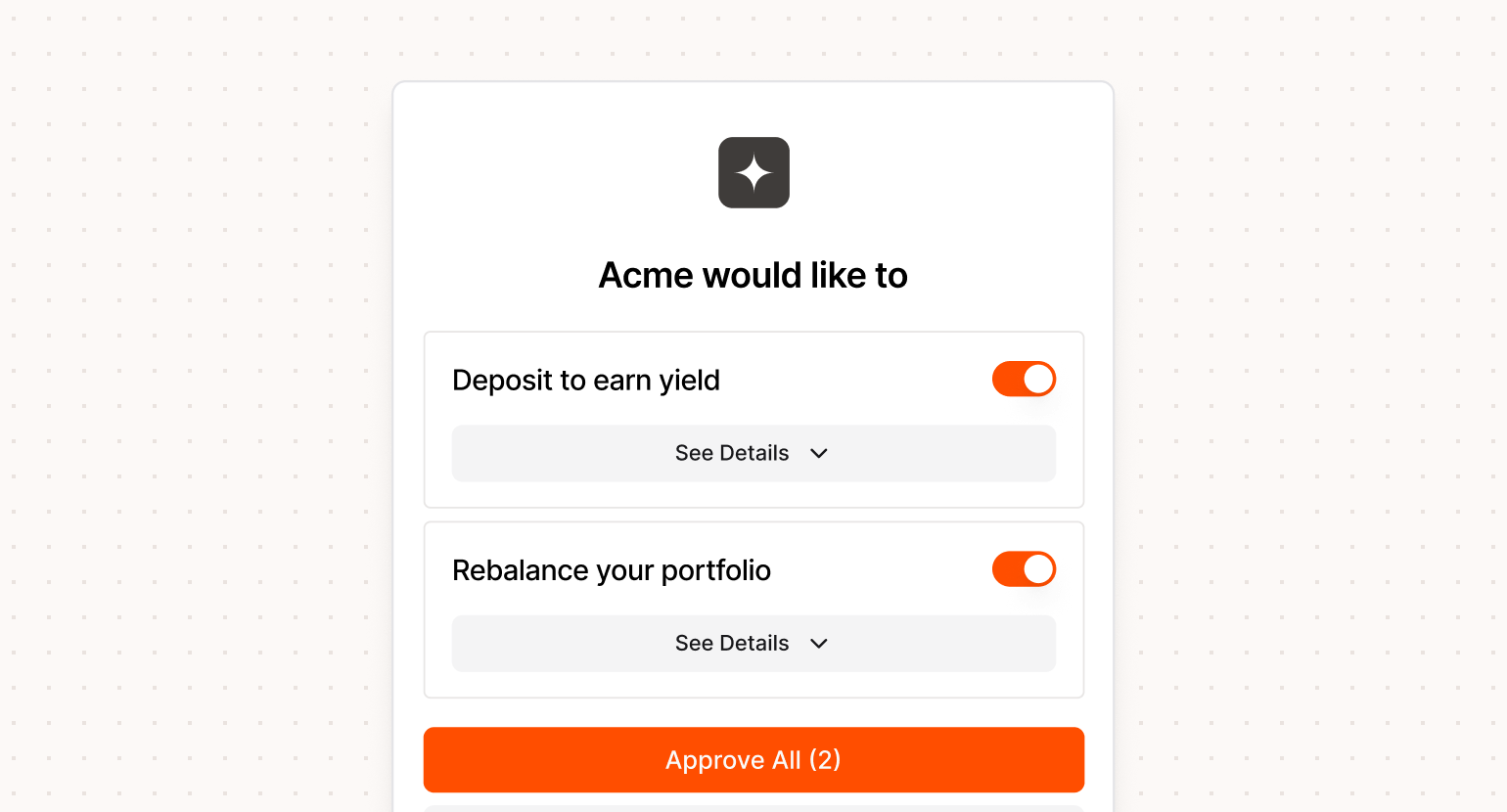

Whitelabel across Platforms
Build with web, mobile, and server environments supporting multiple chains and built-in transaction APIs.
Start Integrating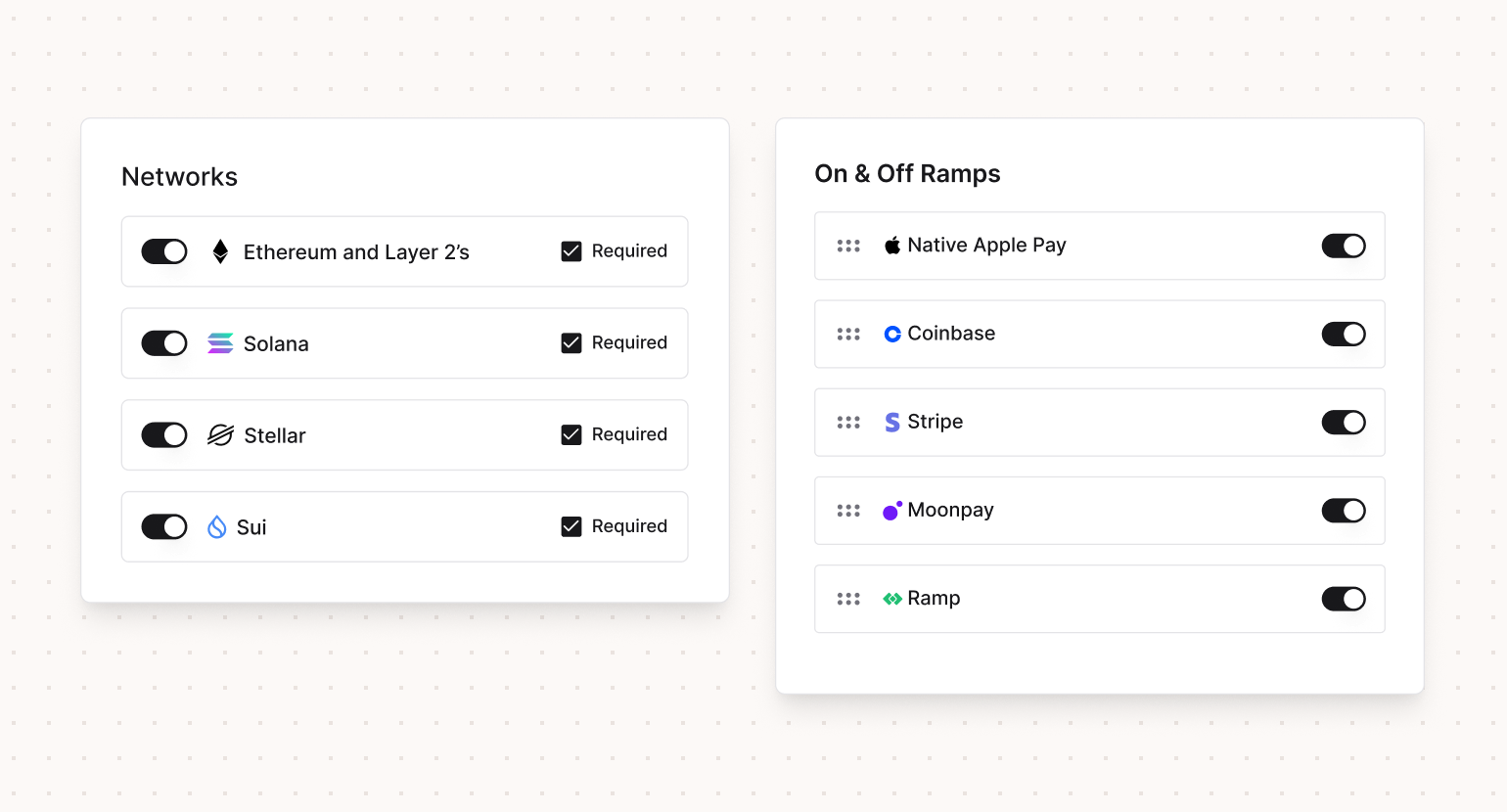
“Coala Pay cut stablecoin payment speed by 99% using Para.”






Security First. And Second.





Multi-party Computation
Sign, rotate, and refresh keys on demand without compromising your security.
Para MPC

Passkeys
Allow users to utilize passkeys for unparalleled security and strong authentication guarantees.
Passkeys and Auth
Censorship Resistance
Users can exit Para’s system whenever they choose without losing their ability to sign with their wallets.
Our Commitment



Frequently Asked Questions
- Para is a wallet-as-a-service and authentication platform for fintech and crypto applications. Developers use Para’s SDKs and APIs to create embedded, non-custodial wallets, authenticate users, manage wallet permissions, and enable money movement across multiple blockchain networks. Read more in docs.
- Para wallets are non-custodial by design. Neither Para nor the integrating application ever holds a user’s complete private key. This allows businesses to offer embedded crypto wallets while users retain control over their wallets and assets. Learn more.
- Para secures private keys with a 2-of-2 multi-party computation, or MPC, system. Key shares are distributed between the user’s device and Para’s secure infrastructure, and the complete private key is never assembled in one place. Passkeys, secure enclaves, biometrics, distributed key generation, and distributed signing provide additional protection.
- Para supports EVM, Solana, Stellar, Sui, and 100+ more chains through one SDK, so you can build multi-chain wallet experiences without separate authentication or key management for each network.
- Yes. Businesses can use Para to onboard users, create non-custodial wallets, manage access controls, and build stablecoin payments, payouts, treasury, and cross-border money-movement experiences.
- Yes. Para supports crypto and stablecoin money movement through APIs and partner integrations for onramps, offramps, transfers, swaps, and cross-chain bridging.
- Developers can begin onboarding users with Para in less than five minutes.
- Para offers a free tier to get started, with paid plans that scale with monthly active users and enterprise options for larger teams. See pricing.
- Most embedded wallets differ in three areas: security model, infrastructure compatibility, and wallet portability. Para uses Distributed MPC rather than Shamir Secret Sharing, which enables proactive key refreshes, transaction permissions per application, and on-prem deployments for institutions. It works with any chain, stablecoin issuer, or on/off-ramp rather than tying you to one stack, and Para wallets carry across chains and apps for use cases like shared merchant identity and agentic payments. Teams like S&P Global and Coala Pay chose Para for this combination.
- Wallet-as-a-service, or WaaS, gives businesses the infrastructure needed to add secure crypto wallets to an application without building key management, wallet authentication, and transaction systems from scratch. Para provides customizable embedded wallet SDKs and APIs for web, mobile, and server applications.